6 Tips To Build A Profitable Alternative Medicine or Healing Website

The internet is buzzing with wellness coaches, energy healers, and meditation guides. So, how do you make sure your holistic healing practice stands out? Your website isn’t just a digital business card—it’s a space to connect, inspire, and invite potential clients into your world.A well-designed, thoughtful website can transform casual visitors into loyal clients. Here are six essential tips to make your website work for you.
How to Build a Holistic Health Website in 2026
A successful holistic health website needs to do more than look peaceful. It should explain what you offer, establish trust, help local clients find you and make booking an appointment feel simple. These seven practical steps will help you create a website that feels authentic to your practice while meeting the expectations of today’s visitors.
1. Choose a Website Platform That Makes Building Simple
You should be able to update your website without calling a developer every time you change a service, add a workshop or publish an article. Choose a platform that feels easy to manage now but gives your practice room to grow.
What to look for:
- Simple editing: Look for visual editing tools, reusable page sections and templates that let you make everyday changes without touching code.
- AI-assisted setup: Modern website builders can suggest layouts, draft starter copy and help create a first version of your site. Treat this as a starting point, then rewrite the content so it reflects your real experience and voice.
- Flexible design: You should be able to adjust colours, fonts, photography and page layouts without making the site difficult to use.
- Mobile responsiveness: Your pages, forms and booking tools should work properly on phones and tablets—not merely shrink to fit the screen.
- Reliable hosting: Fast storage, SSL, backups and security monitoring help keep your website available and protect client enquiries.
Managed WordPress hosting is a strong option if you want the flexibility of WordPress with technical maintenance handled for you. If you prefer a visual, no-code approach, EuroDNS Plesk hosting includes Sitejet AI to help you create a responsive site more quickly.
2. Turn Your Homepage Into a Clear Welcome
Your homepage should feel warm, but it also needs to answer a few practical questions immediately: Who do you help? What do you offer? Where are you based? Can clients work with you online? What should they do next?
What to include:
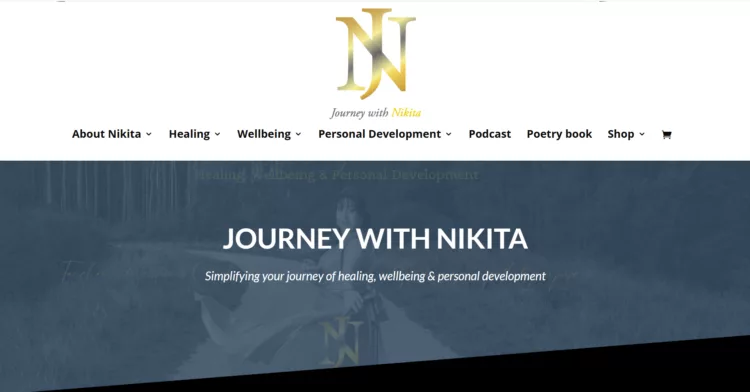
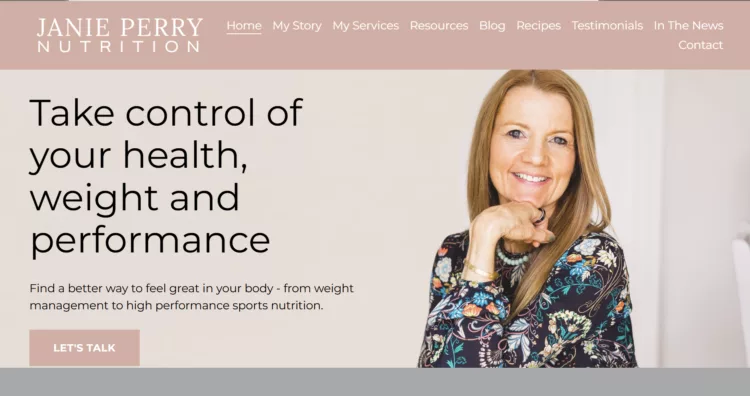
- A clear opening statement: Explain your service and audience in one or two sentences. “Reiki and mindfulness sessions for stressed professionals in Bristol” is more useful than “Begin your journey to wellness.”
- Your main services: Give visitors a short overview, then link to individual pages with details, prices and what to expect.
- A professional photo: Use authentic images of you and your practice space where possible. Generic stock photography can make a personal service feel impersonal.
- One primary action: Make your preferred next step—such as booking a consultation—easy to find near the top of the page.
- Simple navigation: Most practitioners only need links to Home, About, Services, FAQs, Resources and Contact or Book.
3. Build Trust Before Asking Visitors to Book
Health and wellbeing are personal subjects. Visitors need to understand who you are, what qualifies you to offer your services and what they can realistically expect. In 2026, transparent information is far more persuasive than vague promises or exaggerated claims.
Trust signals to add:
- Your real credentials: List relevant training, certifications, memberships and professional experience. Link to recognised organisations where appropriate.
- A clear scope of practice: Explain what your service can support and what it cannot replace. Avoid promising to diagnose, treat or cure medical conditions unless you are appropriately qualified and legally permitted to do so.
- Practical session information: Tell clients what happens during a session, how long it lasts, what it costs and how online or in-person appointments work.
- Testimonials with permission: Use genuine client feedback and avoid editing it into unrealistic health claims.
- Visible policies: Include privacy, cookie, cancellation and refund information, particularly if you accept bookings or collect personal data online.
- Secure contact forms: Ask only for the information you genuinely need and avoid inviting clients to submit detailed medical information through a basic website form.
4. Help Local Clients Find You
Search engine optimisation still matters, but keyword stuffing does not. Search engines increasingly reward pages that provide useful, original information and make the source of that information clear. For a holistic practitioner, that means demonstrating genuine experience and making your location, services and credentials easy to understand.
SEO priorities for 2026:
- Create a page for each important service: A detailed “Reiki sessions” page is more useful than placing every treatment in one short list.
- Use natural local language: Include your city or service area where relevant, such as “homeopathy consultations in Manchester” or “online breathwork sessions across Europe.”
- Complete your Google Business Profile: Keep your address or service area, opening hours, website, photos and contact details accurate.
- Write useful titles and descriptions: Give every page a specific title that reflects what the visitor will find there.
- Keep business information consistent: Use the same name, contact details and location across your website, business listings and professional directories.
- Add appropriate structured data: LocalBusiness markup can help search engines understand details such as your business name, location, hours and contact information.
- Prioritise speed and accessibility: Compress large images, use descriptive alt text, maintain readable colour contrast and make sure forms can be completed with a keyboard.
Measure your progress with Google Search Console rather than guessing. It can show which searches already bring people to your site and which pages need improvement.
5. Share Experience, Not Just Content
You do not need to publish a new blog post every week. A smaller collection of thoughtful, first-hand resources can do more for your credibility than dozens of generic articles. Focus on the questions clients genuinely ask before and after a session.
Useful content ideas:
- Explain your approach: Describe how a session works, how clients can prepare and what happens afterwards.
- Answer specific questions: Create honest guides around topics such as “What should I expect during my first Reiki session?”
- Demonstrate simple techniques: Share a short breathing exercise, grounding practice or guided reflection that visitors can safely try.
- Tell real client stories: With explicit permission, explain the client’s starting point, the process and their experience without making unsupported medical claims.
- Show who created the content: Add a byline and short author biography so readers can understand your experience and qualifications.
AI can help you organise an outline or turn a video transcript into a draft, but it should not manufacture expertise. Review every health-related statement, add your own experience and remove anything you cannot confidently support.
6. Make the Next Step Easy
Once a visitor decides they trust you, do not make them search for a way to get started. Create a short, predictable journey from learning about a service to booking or making contact.
Calls to action that work:
- “Book your first consultation” for visitors who are ready to begin.
- “See session options and prices” for people who still need practical details.
- “Ask a question before booking” for visitors who need reassurance.
- “Join the monthly newsletter” for people who are interested but not ready to book.
Use a consistent button label throughout the site and keep forms short. If you use an external booking system, test the entire process on a phone—including appointment selection, payment and confirmation emails.
7. Build a Community You Can Reach Directly
Social platforms can introduce new people to your work, but algorithms change and followers do not belong to you. Use your website to build direct, permission-based relationships with clients and readers.
Ways to stay connected:
- Email newsletters: Send useful advice, new resources, workshop dates or occasional availability updates.
- Events and group sessions: Create a simple events page for workshops, online circles or introductory sessions.
- Relevant social links: Link only to the platforms you update consistently rather than displaying an inactive account on every network.
- Thoughtful follow-up: Offer clients an optional way to receive future resources without automatically adding them to a marketing list.
Whatever tools you use, collect clear consent, explain what subscribers will receive and make unsubscribing easy.
Final Thoughts
The best holistic health websites balance warmth with clarity. They feel personal without becoming vague, demonstrate expertise without overpromising and make it easy for the right client to take the next step.
Start with a platform you can manage, explain your services clearly, establish trust and build a simple path from discovery to booking. Your website does not need to be complicated. It needs to feel credible, helpful and unmistakably yours.
Related articles: